
How Often Should Marrickville Businesses Schedule Deep Cleaning for Offices and Commercial Spaces?
Keeping a workplace “clean” isn’t just, like, routine dusting , vacuuming and, sure, emptying the rubbish bins. Over time dirt dust stains, and grime kind of creep in, especially in spots that people accidentally ignore during the everyday runs. Carpets , upholstered furniture, kitchen surfaces , the corners that never quite get reached, and those hard-to-access spaces often end up needing a bit more attention if you want things to stay looking professional.
This is where deep cleaning services in Marrickville can really help local businesses, even when you think you’re doing “enough”.
How often you should schedule deep cleaning depends on a handful of things. Like size of the premises, number of employees, daily foot traffic, what kind of work your business actually does, and of course the cleaning rhythm you already have. A retail shop that’s busy all day might need more regular intensive cleaning than a smaller office where visitors are limited.
Also, knowing when deep cleaning actually matters can help owners protect interior surfaces, keep things comfortable for staff, and give customers a better first impression, every time.
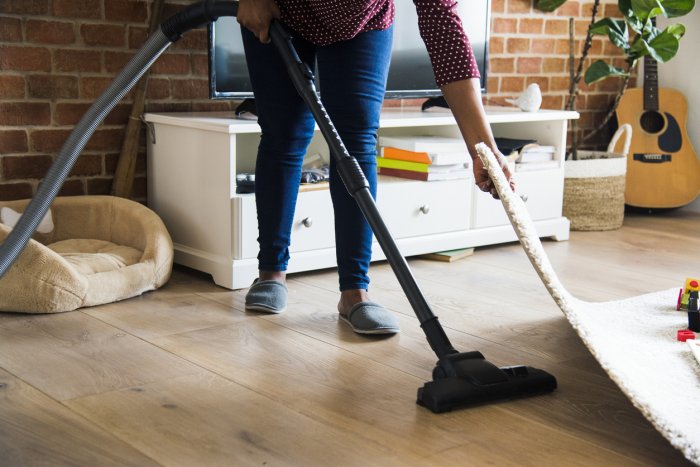
What Is Commercial Deep Cleaning?
Commercial deep cleaning is a more detailed, thorough cleaning process, aimed at the dirt that builds up over time. It also targets areas that routine cleaning might not reach properly. Regular cleaning is more about keeping the place tidy and presentable , while deep cleaning focuses on more intensive tasks.
Depending on the property, and what’s agreed in the scope, these services can include detailed floor cleaning, carpet treatment, cleaning skirting boards, removing stubborn marks, wiping surfaces that are tricky to reach, plus a more careful clean for kitchen and bathroom areas.
Routine Cleaning vs. Deep Cleaning
Routine cleaning is what keeps the workplace looking good through the week. Typical tasks might be emptying bins, wiping desks, vacuuming the floors you can reach easily, cleaning bathrooms , and looking after shared spaces.
Deep cleaning is different. It’s for the areas that need extra time, extra equipment, or specialised cleaning methods. For instance, routine vacuuming may only remove surface dust from a carpet, but a periodic professional carpet clean can help with embedded dirt and certain stains.
Both approaches work together. A solid cleaning plan usually mixes regular upkeep with periodic intensive work, based on what the premises actually needs.
How Often Should a Business Schedule Deep Cleaning?
There’s no one perfect schedule that fits every commercial space. But these suggestions can be a starting point, then businesses can adjust them based on real conditions.
1. Small Offices
Small offices, with fewer staff and less visitor movement, may be okay with routine cleaning a few times each week, plus deep cleaning done periodically.
A more detailed clean every three to six months can be reasonable for many areas. Still, kitchens , bathrooms, and high-touch surfaces may need more frequent care.
Office managers can watch for signs like carpet wear, dust build-up, marks on walls, and whether shared facilities are staying properly clean.
2. Busy Corporate Offices
Bigger offices with lots of employees, meeting rooms, shared desks, and frequent visitors tend to gather dirt and debris faster.
These sites often benefit from more frequent intensive cleaning, especially around meeting rooms, kitchens, bathrooms, and heavily used corridors. Doing a monthly or quarterly check of deep-cleaning needs can help spot where extra attention is required.
The right timing should match how the space is used, not just follow a rigid calendar.
3. Retail Stores and Customer-Facing Businesses
Retail spaces are in constant motion, with people coming in through entrances, moving through aisles, heading to checkout areas, and touching display fixtures. That foot traffic brings dirt into the building, and fingerprints or scuffs can build up fast on glass and on anything customers touch regularly.
Businesses here should focus on entrances, display fixtures, floors, and customer areas. Depending on how busy the trading period gets, periodic deep cleaning might be needed more often, or right after a particularly heavy stretch of use.
4. Restaurants and Food-Related Premises
Food businesses need a higher level of cleanliness because food prep, spills, grease, and waste can make cleaning more complicated.
Routine cleaning on food-contact surfaces has to follow the relevant food safety rules. More intensive cleaning might also be required for floors, equipment exteriors, extraction areas, and other areas based on how the premises operates.
A suitable schedule should consider the type of food preparation, the equipment being used, and the hygiene requirements. Plain commercial deep cleaning shouldn’t be treated as a replacement for specialised cleaning or maintenance when those services are actually needed.
Areas That Commonly Need Deep Cleaning
Some parts of a commercial property collect grime faster than others. Spotting these zones helps businesses create a practical cleaning routine that doesn’t waste time or money.
Carpets and Upholstered Furniture
Carpets can hold onto dust, debris, and particles that come in on shoes. Office chairs and upholstered seating can collect dirt too, simply because of daily use.
Vacuuming helps a lot, but many carpets and fabrics benefit from professional cleaning every so often. The method should match the carpet material, follow manufacturer guidance, and reflect the type of soiling.
Kitchens and Staff Break Rooms
Shared kitchens often deal with food spills, grease, crumbs, and constant contact with handles and benchtops. A thorough plan should cover accessible cupboard surfaces, sinks and taps, appliance exteriors, and floors where appropriate.
Cleaning frequency should depend on how many employees use the space, and whether food is prepared in-house.
Bathrooms and Washrooms
Bathrooms really need that steady maintenance routine. Like, cleaning the toilets, sinks, taps , mirrors and floors. Over time grime seems to build up around fixtures, in grout lines, and in those awkward spots that are kind of hard to reach so, yeah, deep cleaning is sometimes needed to get it properly dealt with.
How often it’s done should follow how busy the place is. If there’s higher occupancy and more use, extra cleaning should happen when things start looking off, or if conditions need it, no waiting around.
Floors, Corners, and Difficult-to-Reach Areas
Edges, skirting boards , corners, and spaces beneath accessible furniture… they collect dust quietly. Routine cleaning can miss it, especially in the little gaps where dirt gathers.
Also, the actual cleaning approach should match the flooring type. Some surfaces don’t like harsh chemicals or too much moisture, so using the right method and reading product instructions is a big deal. Professional steps matter because they know what won’t cause damage, even when it’s tempting to “just use more”.
Signs a Workplace Needs Deep Cleaning
A business usually doesn’t have to wait until the next planned intensive clean. There are a few signs that extra attention might be necessary, for example:
- Persistent stains or obvious dirt on floors and carpets.
- Dust hanging around on skirting boards, ledges, or less accessible surfaces.
- Bad smells in kitchens, bathrooms, waste areas, that don’t go away.
- Grease or grime buildup around equipment that gets used all the time.
- Visible marks on glass partitions, doors , and walls.
- Areas that still look dirty even after routine cleaning.
When these show up, managers can usually tell the cleaning schedule needs adjusting.
Factors That Influence Deep-Cleaning Frequency
A few things shape how often deep cleaning should happen, and none of them are exactly the same for every business.
- Foot traffic: if people are coming through constantly the place gathers dirt faster.
- Business type: offices, retail, restaurants, and industrial sites all have different cleaning demands.
- Property size: bigger sites take more time and resources to clean properly.
- Existing maintenance: if routine cleaning is consistent, the dirt won’t build up as quickly between deep cleans.
- Seasonal conditions: rainy weather, more outdoor debris, and busy trading periods can make entrances and floors get dirty sooner.
- Budget and operational needs: businesses should focus on the areas with the highest hygiene and cleanliness risk, while still keeping essential daily tasks steady.
How to Plan an Effective Deep-Cleaning Schedule
A good schedule starts with an assessment of the premises. Business owners should figure out which are the high-use zones, then list the tasks that need doing, and decide what gets attention daily, weekly, monthly, or on a periodic basis.
A written checklist helps clarify responsibilities and makes it harder to overlook important areas. It should also separate routine cleaning tasks from the ones that need extra equipment, or specialist handling.
It’s also smart to review progress. If carpets look visibly soiled before the next planned deep clean, for instance, then the timing probably needs updating. On the other hand, lightly used zones may not need the same frequency as busy shared spaces.
Working with a professional provider can make planning easier too, since they can recommend suitable methods and set a realistic schedule based on your specific setup.
Why Choose Professional Deep Cleaning Services in Marrickville?
Professional cleaners can bring the equipment, the right products, and the experience needed for a variety of commercial cleaning jobs. Their approach can be adapted to different floor types, property layouts, and business schedules.
This kind of support is especially useful when intensive cleaning would otherwise require a lot of staff time, or equipment the business doesn’t usually keep on hand.
Inner West Cleaners provides commercial and office cleaning services across the Inner West. Their cleaning arrangements can be tailored to what different workplaces actually require. Businesses can talk about the premises, the priorities, and the preferred schedule, then work out an appropriate service.
Conclusion
The best deep-cleaning frequency for a Marrickville business depends on how operations run day to day, how much foot traffic there is, the property layout, and what your routine cleaning already covers. Routine maintenance helps the workplace stay presentable, while periodic deep cleaning tackles the dirt that collects over time and the areas that need more detailed care.
When businesses spot problem areas early, keep an eye on carpet and floor condition, and review cleaning needs regularly, they can build a practical maintenance plan. That supports a clean, professional environment without unnecessary disruption.

4 Top Reasons You Should Invest in Commercial Cleaning
4 Top Reasons You Should Invest in Commercial Cleaning Your…
Read More
How often should you get your house cleaned?
How often should you get your house cleaned? The simple…
Read More