
Strata Cleaning Checklist for Property Managers in Sydney’s Inner West
Keeping a clean strata property is more than just making sure each apartment, office, or whatever looks neat. You’ve got shared areas too, like entrance lobbies, corridors, lifts, staircases, bin rooms, and car parks, and those spots need ongoing attention so they stay decent, comfy, and not exactly grimy, for residents, visitors and the building staff as well. Having a strata cleaning checklist for Inner West, Sydney sort of helps property managers sort out the whole thing, set clear expectations, and also spot the places that are quietly falling behind on maintenance.
Strata buildings are not all the same, they vary in size , layout, how many people live there, and what facilities are on site. A smaller residential complex might only need a simple cleaning routine, but a bigger building with multiple lifts, lots of common areas, and shared amenities could require more frequent cleaning.
When you use a checklist, it becomes easier to plan the cleaning jobs based on how the building actually runs. It can also make it simpler for strata committees and property managers to check the service quality, and communicate properly with cleaners, instead of guessing what’s been done.
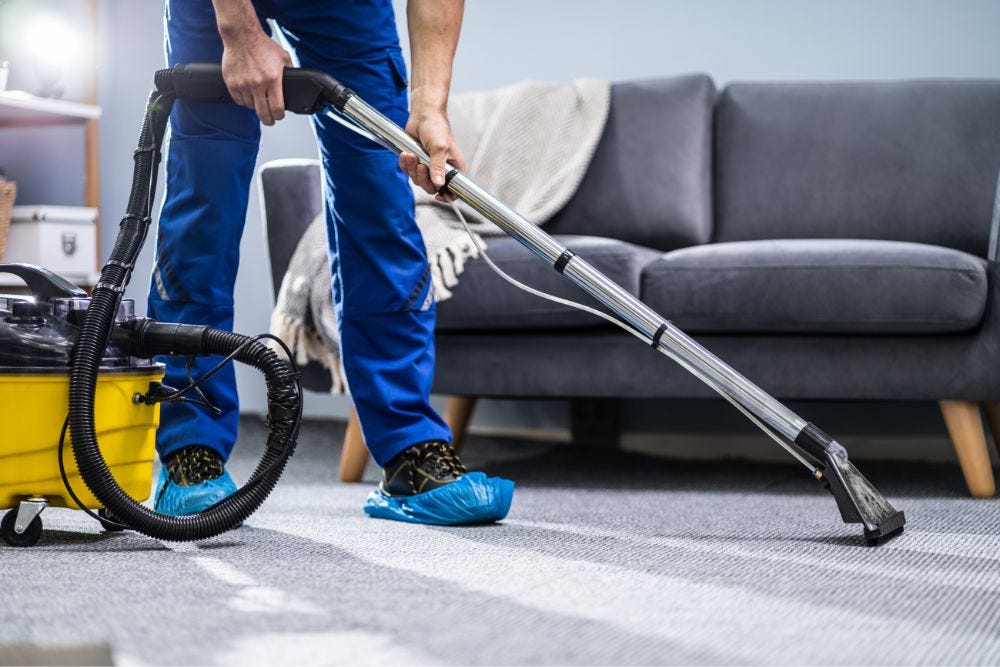
Why a Strata Cleaning Checklist Matters?
A cleaning checklist gives everyone a consistent reference point for shared area upkeep. Without a documented plan, the obvious tasks get done over and over, but the less visible areas can end up getting ignored.
A checklist can help property managers:
- Figure out which areas need daily, weekly, and periodic cleaning
- Tell cleaning contractors what is actually expected
- Check the condition of shared facilities, rather than assuming
- Spot recurring problems, like bins that overflow or floors that keep getting stained
- Arrange extra cleaning when visitor numbers or building usage increases
- Keep simple records of jobs completed and anything still outstanding
And yes, the checklist should be adapted to the property’s facilities, not copied the same way for every building, no matter what.
Daily and Regular Strata Cleaning Tasks
How often you clean depends on resident numbers, visitor flow, and what the building itself demands. Some places need daily attention in key areas, other buildings might go weekly, or use a customised cycle that fits.
1. Entrance Lobbies and Reception Areas
The entrance is usually the first thing people see when they arrive, so it sets the tone. A tidy lobby helps everything feel welcoming, and it also reduces the dirt that otherwise spreads through the rest of the building.
Typical tasks include:
- Sweeping or vacuuming the entrance floors
- Mopping hard floors with suitable products
- Dusting accessible ledges, surfaces, and nearby areas
- Wiping glass doors, and any interior glass panels that are visible
- Removing visible marks from appropriate surfaces
- Getting rid of cobwebs if they show up
- Keeping access routes free of cleaning gear and debris
Also, during wet weather, entrance mats and floors may need extra attention, because moisture and outdoor grime can get tracked inside quickly.
2. Lifts and Lift Lobbies
Lifts are heavily used, so they collect fingerprints, dust, and floor scuffs pretty fast.
A regular routine can include wiping touchpoints, cleaning lift floors, removing visible marks from doors, and dusting surfaces people can reach.
Cleaning products should match the lift’s materials and finishes. Any electrical components, control panels, and specialist surfaces should be handled following the right instructions, not guesswork.
Lift lobbies should be checked too, especially for rubbish and dirt that might gather during peak periods when everyone’s coming and going.
3. Hallways and Corridors
Hallways link individual units to entrances, lifts, and other shared facilities. These spaces need consistent care to stay clean, and also to remain unobstructed.
Tasks may include vacuuming carpets, sweeping or mopping hard floors, removing accessible cobwebs, and wiping hand-contact surfaces, like door areas and rail points.
Property managers should make sure cleaning doesn’t block emergency exits or create any hazards. If there are personal items or other obstructions, those should be reported through the building-management process, rather than being moved without authorisation.
4. Staircases and Handrails
Staircases collect dust and debris, especially near entrances and at commonly used landings.
A regular checklist might include sweeping or vacuuming steps, cleaning landings, wiping suitable handrails, and checking accessible walls and doors for visible marks.
When wet cleaning is needed, precautions should be taken so slips don’t happen. Emergency access routes should stay clear the entire time.
Weekly Cleaning Tasks
Some tasks don’t always need daily attention, but they should still be included in a regular schedule.
1. Glass and Internal Windows
Interior glass panels, entrance doors, and reachable windows can build up fingerprints, dust, and water spots.
Weekly cleaning can make sense for high-traffic entrances, while less frequently used glass surfaces can be handled less often, depending on how they look and what condition they’re in.
The schedule should list which glass surfaces are covered, and whether external windows are part of the service or need a separate arrangement.
2. Walls, Doors, and Skirting Boards
Over time, walls, door frames, and skirting boards can gather dust, scuffs, and fingerprints.
A periodic inspection helps identify sections that need spot cleaning. Cleaning methods should be chosen carefully to avoid damaging painted surfaces, delicate finishes, or any protective coatings.
Marks that can’t be removed safely might need separate maintenance, instead of repeated cleaning attempts that just wear surfaces down.
3. Shared Rooms and Amenities
Some strata properties have communal rooms, gyms, laundry areas, or other shared amenities.
Cleaning here should follow how residents actually use these spaces. Common tasks include wiping relevant surfaces, cleaning floors, removing rubbish, and maintaining shared fixtures.
If an area has specialised equipment, it may need additional instructions, or it might require restrictions on what cleaning methods are allowed.
If you want, tell me what types of areas your building has (like gym, lift count, bin room location, mostly carpet or mostly tiles), and I can turn this into a tighter Inner West Sydney checklist format with a cleaner daily/weekly/periodic table.
Bin Rooms and Waste Management Areas
Bin rooms are like one of those key maintenance bits really, because waste, spills, and odours can get out of hand, fast enough to affect the nearby environment.
The cleaning checklist should kinda cover:
- Taking out loose rubbish from floors you can actually reach.
- Sweeping and mopping floors when it makes sense.
- Cleaning visible spills using the right kind of method.
- Wiping accessible door handles and surfaces people touch a lot.
- Checking for persistent smells or signs of pests still hanging around.
- Reporting broken bins, leaks, or anything that looks like a maintenance concern.
Making sure waste ends up in the correct containers.
Bin handling arrangements should be clearly defined. Moving bins to the collection points, then putting them back, washing the containers, and cleaning bin rooms might be separate tasks depending on what the service agreement says.
Waste should always be handled under building procedures, and also whatever local requirements apply. If there is ongoing pest activity, plumbing problems, or bigger spills, it can need specialist attention and not just routine cleaning.
Car Parks and Shared Outdoor Areas
Car parks, pathways, courtyards, and other shared outside spaces are often kinda missed, especially when cleaning plans focus mostly on the inside.
Periodic cleaning might include sweeping accessible areas, removing loose litter, clearing leaves from the right locations, and checking entrances where dirt collects.
Pressure cleaning can be helpful on some hard surfaces, but only do it when it suits the material and the drainage setup. Property managers should confirm that the work follows building rules, and also relevant environmental requirements.
Gardening, waste removal, pressure cleaning, and exterior maintenance should be listed separately if they are not part of the standard cleaning agreement.
Monthly and Periodic Maintenance Checklist
Some tasks are better done via monthly reviews or other periodic inspections, rather than constant cleaning.
Examples include:
- Deep cleaning of less frequently used common areas.
- Checking the condition of entrance mats and shared carpets.
- Looking at reachable corners and higher spots for dust and cobwebs.
- Spotting ongoing stains, or those floor marks that keep coming back.
- Organising carpet steam cleaning when it’s required.
- Checking the condition of accessible facade glass.
- Assessing whether the existing cleaning schedule still feels suitable.
- Reporting repairs or maintenance items that you spot while cleaning.
Not every property needs all of this monthly. The schedule should match the building’s materials, usage, access needs, and what the budget can support.
How Property Managers Can Monitor Cleaning Quality
A checklist works best when it’s backed by regular monitoring and clear communication, not just a piece of paper.
Establish Clear Responsibilities
The cleaning agreement should say what areas are included, how often tasks happen, and which tasks may include extra charges.
This gets more important when the building uses a mix of regular cleaning and occasional specialist services.
Use a Cleaning Log
A cleaning log can track completed tasks, missed visits, reported issues, and what follow up was done. Depending on the property, it might be kept digitally, or written out as a checklist.
This gives property managers a clearer view on whether the agreed schedule is being followed.
Conduct Periodic Inspections
Regular inspections can highlight repeating issues and spots that need extra attention. Property managers should compare floors, lobbies, lifts, bin rooms, and other shared spaces against the agreed checklist.
Any concerns should be written down, and then shared with the cleaning provider, so corrective action can be organised.
Review the Schedule as Conditions Change
A building’s cleaning needs can shift with higher occupancy, renovations, or when shared facilities see heavier use. Doing a schedule review from time to time helps keep the service suitable, instead of staying stuck on some old routine that no longer fits.
Choosing a Strata Cleaning Provider in Sydney’s Inner West
Picking the right provider is more than just the quoted price. Property managers should check the scope of services, how flexible scheduling is, how communication works, relevant experience, and how the provider handles quality control.
It also helps to ask whether they can fit the building’s specific layout, whether equipment and products are included, and how additional requests are managed.
Access arrangements should be discussed too. Cleaning contractors may need guidance on keys, secure entrances, restricted areas, and the times when work is allowed.
Inner West Cleaners provides strata cleaning for residential and commercial complexes, with options that can be adjusted to the property and its requirements. They list services like lift cleaning, handrail wiping, entrance cleaning, bin handling, plus extra options such as carpet steam cleaning and pressure cleaning.
Property managers should confirm the exact inclusions, frequency, and pricing before signing anything final.
Conclusion
A practical cleaning checklist helps property managers keep shared spaces under control, organise routine tasks, and catch maintenance issues early before they turn into regular problems. When daily, weekly, and periodic work is separated, buildings can set up a cleaning schedule that better matches actual usage and how the facilities are holding up.
Consistent communication, documented responsibilities, and regular inspections are essential for keeping service quality steady. Each building needs its own tailored plan, based on size, amenities, access requirements, and budget.
For strata committees and property managers looking for strata cleaning services in Inner West, Sydney, you can contact Inner West Cleaners to talk through cleaning needs and arrange a suitable maintenance plan.

4 Top Reasons You Should Invest in Commercial Cleaning
4 Top Reasons You Should Invest in Commercial Cleaning Your…
Read More
How often should you get your house cleaned?
How often should you get your house cleaned? The simple…
Read More